If you plan lip augmentation with hyaluronic acid lip filler, the treatment itself is usually the shortest part of the journey. The days that follow determine how natural your result looks, how comfortable you feel, and how long your outcome lasts. I have treated thousands of lips, from subtle lip filler for definition to more transformative lip reshaping treatment, and the same questions come up every week: How much swelling is normal? When will bruising fade? What can I do to heal faster? This guide walks through a realistic recovery timeline, how to care for your lips, and when to call your provider.
What happens in your lips after filler
Lip fillers injections use hyaluronic acid, a sugar our bodies naturally make, to add volume, structure, and hydration. The gel attracts water and creates immediate fullness. Your body also mounts a predictable response to needle entry and product placement. Capillaries may ooze, tissue swells, and nerve endings protest for a day or two. That is why the first 24 to 72 hours often look more dramatic than your final lip filler results.
The choice of product, injection technique, and your individual biology shape the recovery arc. Softer gels designed for lip enhancement can integrate quickly and keep swelling modest. Firmer gels used in lip contouring filler may create a little more initial stiffness. Advanced techniques like microthreading with fine cannulas tend to bruise less than multiple needle pokes, though both have a place depending on your baseline anatomy and goals.
Medications and supplements matter as well. Aspirin, ibuprofen, fish oil, high-dose vitamin E, ginkgo, and some herbal blends increase the chance of bruising. Alcohol thins the blood and widens blood vessels, also nudging bruises along. Your provider should review your meds and advise reasonable pauses when safe and appropriate.
A practical day-by-day timeline
Every recovery is unique, but the pattern below reflects what most people experience after a typical lip fillers procedure using hyaluronic acid.
Day 0, the hour after treatment: Expect immediate fullness and a sense of tightness. The numbing used for lip filler injections can make the lips feel strange or slightly lopsided until it wears off. Small injection points may look like mosquito bites. If a vessel was nicked, you might see pinpoint bruises that deepen over the next 24 hours. Keep the head elevated, avoid touching, and let the lips rest. The shape may look sharper than you asked for, which is mostly swelling plus the gel attracting water.
The first night: Throbbing tends to flare as anesthesia fades. Cooling with a clean compress in short intervals can help. Avoid hot drinks and salty foods that pull fluid into tissues. Many clients say they look “overfilled” in the bathroom mirror around bedtime. That feeling passes as swelling eases.
Day 1: Peak swelling is common. The vermilion border can look pushed outward and the philtral columns may appear more pronounced than planned. If you’re prone to bruising, the color starts to declare itself, often purple at the corners or in a little crescent on the lower lip. Speech may feel slightly labored, especially with p, b, and f sounds. Lip balm helps with friction. Photos today do not predict your final look.
Day 2: Swelling begins to settle in most cases, though it may still be obvious, especially in the morning. Bruises brighten. You might feel lumpy areas or asymmetry to the touch. Those are typically tiny pools of swelling or the gel still finding its level. They soften over the week. Keep hydration steady. Avoid vigorous workouts that bring blood flow to your face.
Day 3: The shape starts to read like you, just fuller. The line between lip and skin looks cleaner. If you went for natural looking lip fillers, this is when friends notice a glow rather than a procedure. Persistent bruises shift from plum to green. Any tenderness fades to mild pressure sensitivity.
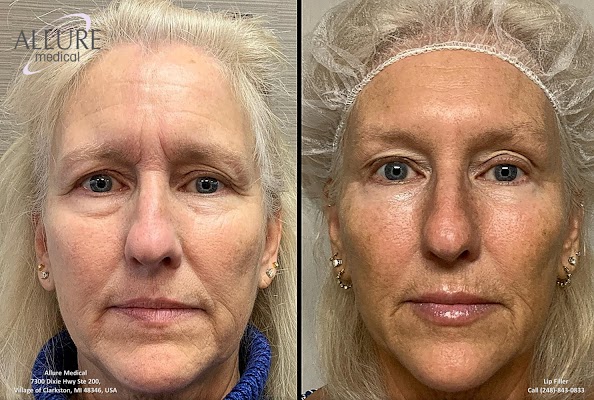
Days 4 to 7: Most swelling has resolved. What remains is usually subtle, more noticeable to you than to others. Bruises, if present, turn yellow and then disappear. Small lumps under the surface, especially at the entry points, smooth with time and gentle movement when you speak and eat. At the one-week mark, lip fillers before and after photos make sense. If you want a conservative touch up for balancing asymmetry or adding a bit more definition to the cupid’s bow, schedule after day 10 to 14.
Weeks 2 to 4: The gel fully integrates with your tissues. Any water-binding effect stabilizes. This is your true result. If you see persistent asymmetry, well-defined nodules, or blanching with pressure, check in with your lip filler specialist. Touch ups are common, especially for first-timers, since many patients prefer a cautious first pass.
Months 3 to 6 and beyond: Longevity varies. For first-time clients with fast metabolism or expressive lips, the volumizing effect can soften by month 4 to 6. Regular clients often hold a polished contour 8 to 12 months. Product choice, injection depth, and how much you received all matter. Lip filler maintenance often means a smaller amount at 6 to 9 months to keep the edges crisp.
What is normal swelling and what is not
Normal swelling feels diffuse, cushions the whole lip, and improves day by day. You might see a little more fullness along the vermilion border or in the central tubercles. Mornings can look puffier than evenings. Cold compresses and quiet days help.
Abnormal swelling appears focal and sudden, or worsens after day 3. A firm, hot, sharply painful area can signal infection. A pale or dusky patch that appears with pain and worsens can indicate a vascular issue, which is rare but urgent. If your provider offered a 24-hour phone line, use it. If not, seek urgent care with a clinician experienced in dermal filler lips.
Bruising also has a normal range. Small purple marks resolve in 3 to 7 days. A spread-out marbled bruise can last up to two weeks, especially if you bruise easily or take blood thinners. Yellowish staining on the skin above the lip is common and fades. If a bruise turns very firm and tender, it may be a hematoma that needs evaluation.
Aftercare that actually helps
The basics work. Cooling in short intervals for the first day keeps swelling down. Keep your head elevated the first two nights. Skip steamy saunas, hot yoga, and strenuous workouts for 48 hours. Avoid alcohol the first evening. Drink water, favor low-salt meals, and avoid spicy foods if your lips are sensitive.
Topicals are simple. A bland occlusive like petroleum jelly or a fragrance-free balm protects the barrier. Arnica can help bruising, though evidence varies. If you regularly get cold sores, take your antiviral as directed, starting before treatment. Avoid exfoliating acids, retinoids, and devices over the lip line for a few days.
The only time I encourage gentle massage is when your provider instructs you. Many modern lip gels are designed to stay put. Random, vigorous massage can push filler where you do not want it. If a tiny bump bothers you after a week, a skilled clinician can guide targeted pressure or use hyaluronidase to dissolve a stubborn lump.
What hurts, what doesn’t, and how to stay comfortable
Modern lip augmentation injections often include lidocaine within the gel, and many clinics use a topical anesthetic before the lip filler procedure. Most clients describe the treatment as a series of pinches with pressure. After, the lips feel tender, like a bruise, for a day or two. Acetaminophen works for most people. I usually advise avoiding ibuprofen and aspirin the day before and the day of treatment when medically safe, since they can worsen bruising, then resuming if you need them after 24 hours, again only if appropriate for your health.
Expect sensitivity with hot drinks and strong flavors. Straws can indent the lip line while swelling is present, so drink from a cup. Kissing is technically possible, but most clients find it uncomfortable for a couple of days. Makeup can be used carefully on intact skin around the lips after 24 hours. Skip lip liner over puncture points until they seal.
How technique influences downtime
Cannula versus needle, depth of placement, and product choice all create different recoveries. A flexible cannula can reduce the number of skin punctures and Village of Clarkston lip filler alluremedical.com lower the risk of bruising. Needles, used thoughtfully, can deliver precise pillars and shape the cupid’s bow with beautiful accuracy. In experienced hands, both produce safe lip filler results. Many providers blend techniques, using a cannula for the body of the lip and fine needles to sharpen edges or correct asymmetry.
Volume matters more than people think. A first-time client asking for a dramatic change often faces more swelling and visible bruising. A staged approach, where we build definition first and add volume later, usually looks more natural and feels easier to live with during recovery. If you want the most subtle lip filler, start with a half-syringe or conservative 0.5 to 0.8 mL doses, then reassess.
Timing your appointment around your life
If you’re hunting for lip filler near me or lip fillers near me and planning around work, photos, or travel, give yourself a runway. For important events, schedule the lip filler appointment at least two weeks before, ideally three. That allows bruising to fade, swelling to settle, and any small touch up to heal. Avoid flights immediately after treatment, not because altitude changes harm the filler, but because cabin pressure and dehydration can worsen swelling. If you must fly, compress, hydrate, and avoid salty snacks.
Athletes and instructors who are on camera or in front of a class can return to light activity within 24 to 48 hours. Heavy lifting and hot environments tend to prolong swelling, so consider a rest window.
What lip type you have shapes recovery
Thin lips without much mucosal show need careful increments. Even small volumes can look dramatic for the first 48 hours. Asymmetrical lips may need targeted placement in one quadrant more than another, which can create temporarily uneven swelling. Lips with strong movement patterns, like heavy lower lip pull or a pronounced smile, integrate filler differently and sometimes need a second pass to lock in symmetry.
If you have a history of cold sores, your risk of a flare is real. The microtrauma from injections can trigger one. Antiviral prophylaxis reduces that risk. If a lesion appears, contact your provider promptly and start treatment.
What complications look like, and what to do
Hyaluronic acid lip dermal filler is reversible, which is one reason many consider it the best lip filler for safety. Still, rare issues can occur, and prompt action is key.

Vascular compromise: The red flags are increasing pain, blanching or whitening in a patchy pattern, or a dusky color change that does not improve with warming. Livedo or a net-like discoloration is worrisome. This is urgent. Proper management includes high-dose hyaluronidase, warmth, massage, and medical oversight. If your provider is unreachable, seek immediate care with someone experienced in lip augmentation treatment.
Infection: Worsening redness, heat, throbbing pain, or oozing from an injection point after the first couple of days should be assessed. Early antibiotics work. Do not self-treat with topical acids or aggressive cleaning.
Nodules: Small, palpable beads that soften over weeks are common and usually benign. True inflammatory nodules are firmer, sometimes tender, and persist beyond four weeks. These respond to hyaluronidase and, at times, a short course of medication as directed by your clinician.

Allergy: True allergy to hyaluronic acid is rare. Most “allergic” reactions are actually brisk swelling from trauma or a viral flare. If you develop widespread hives, shortness of breath, or facial swelling outside the treated area, seek urgent care.
Costs, expectations, and the second visit
Lip filler cost varies by market, product, and provider experience. In most cities, you’ll see lip fillers price ranges from a few hundred dollars to over a thousand per session. Clinics that advertise a very low lip filler price often compromise on time, technique, or product. When choosing a lip filler clinic, ask who injects you, how they address complications, and whether they support follow-up. A professional lip filler provider will show lip filler before and after photos that align with your taste, offer a lip filler consultation to understand your anatomy and goals, and plan a realistic timeline.
The second visit shapes the final result more than most clients expect. Around two weeks, minor asymmetries become easier to judge. A subtle bolus on the left tubercle or a touch more lip shaping filler at the cupid’s bow can pull everything together. For those chasing long lasting lip filler results, maintenance with small amounts before the full fade helps retain definition without sudden changes.
Choosing a safe technique and a qualified injector
Medical lip filler should be performed by clinicians trained in facial anatomy and injection safety. Look for a lip filler specialist who can articulate why they are choosing a particular hyaluronic acid, how they avoid intravascular injection, and what they keep on hand for emergencies. There is no one best lip filler for every mouth. Softer gels deliver natural lip filler results on thin-skinned, fine-lined lips. More cohesive gels help with lip contouring and border definition.
Beware of overfilling. The telltale signs are a forward-projecting upper lip that tips downward when smiling, loss of the philtral indentation, and a blurred white roll. If you see these in a provider’s gallery, consider a different aesthetic. Subtle lip filler applied with restraint often reads as youthful and hydrated rather than “done.”
A simple recovery checklist
- Ice in 10-minute intervals for the first few hours, then as needed on day 1. Keep the head elevated the first night, skip alcohol, and limit salt. Avoid strenuous exercise, saunas, and hot yoga for 48 hours. Use a plain balm, avoid lip makeup for 24 hours, and skip harsh skincare at the border for 3 days. Contact your provider if pain increases, color changes to white or dusky, or swelling worsens after day 3.
Realistic timelines for specific goals
For lip enhancement treatment that aims to hydrate and refine without obvious volume, most clients return to public-facing work within 24 to 48 hours. Subtle swelling usually passes quietly, and a touch of concealer covers a small bruise. For lip volume filler where you want a noticeable change, plan 3 to 5 days before a major presentation or event. For lip reshaping treatment that addresses asymmetry or lifts the corners, allow a full week for the result to find its rhythm.
If you are correcting uneven lips or working on asymmetrical lips, staged sessions are more predictable than a single large one. Your lips move constantly, and neuromuscular patterns change how filler settles. A thoughtful lip touch up at two to three weeks often delivers a more stable finish.
Maintenance and the long game
Temporary lip filler using hyaluronic acid gives you options. If you love the shape but want it softer, you can wait as it fades or ask for a partial dissolve. If you want more definition, a small top-up at six months preserves the border. Clients who return once or twice a year tend to need less product per visit. Healthy habits help: good hydration, sun protection on the upper lip line, and not smoking all support a crisp, youthful vermilion.
When the time comes for a refresh, revisit your photos. Lip fillers before and after images from your first session help your provider plan your second. Faces change with seasons, stress, and weight shifts. The best outcomes come from adjusting the plan rather than repeating it blindly.
Final thoughts from the chair
Most fears about lip filler recovery stem from the first 48 hours. Swelling can make even the most conservative enhancement look bigger than planned. Give your lips time. Choose a provider who prioritizes safety, explains trade-offs, and offers measured doses. Ask about their plan for aftercare, their approach to asymmetry, and how they handle complications. The combination of sound technique, clear communication, and simple care at home leads to smooth healing and results that match your taste.
Cosmetic lip filler is not just about bigger lips. It is about proportion, expression, and how your mouth lives on your face. With thoughtful planning, realistic timelines, and patient aftercare, the recovery becomes just a brief chapter on the way to a soft, confident smile.